Posted on 9/25/2026
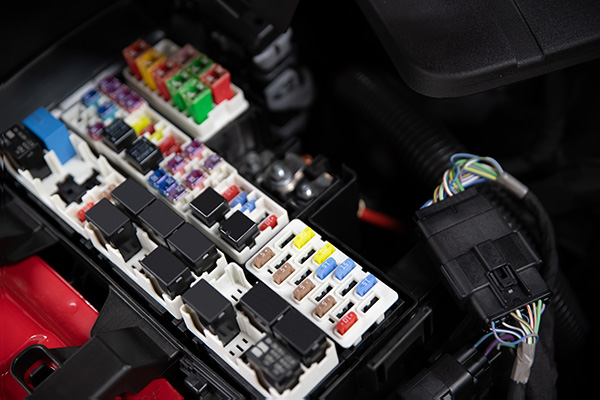
Winter road salt does more than attack brake lines, exhaust hardware, and suspension parts. It can also work its way into electrical grounds, wiring connectors, sensor plugs, and exposed terminals underneath your car. Once corrosion starts in one of these areas, the symptoms can be far less obvious than a rusty piece of metal. You might see a warning light that comes and goes, a sensor that stops communicating, slow electrical accessories, or a vehicle that suddenly refuses to start. Because modern cars depend on dozens of interconnected modules and sensors, one corroded connection can create problems that seem unrelated to the actual damaged wire or ground. Road Salt and Moisture Are Hard on Electrical Connections Salt doesn't have to get deep inside a connector to cause trouble. Mixed with water, it forms a conductive solution that encourages corrosion on exposed metal terminals. The underside of a vehicle gets sprayed repeatedly during a Burnt Hills winter ... read more
Posted on 8/28/2026
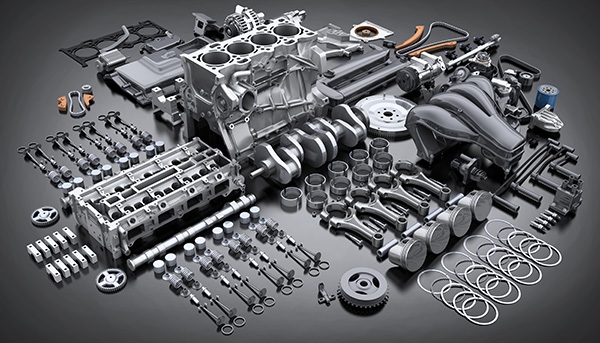
When an engine develops serious internal damage, the repair decision often comes down to two choices: rebuild the existing engine or replace it with another one. Neither option is automatically better. The right answer depends on what failed, how much of the original engine can be reused, the condition of the block and cylinder heads, parts availability, labor cost, and how long you plan to keep the vehicle. An engine rebuild can make sense when the original engine is still a good foundation and its major castings are usable. Replacement may be more practical when damage is severe, repair parts are difficult to source, or a dependable remanufactured engine is available at a reasonable total cost. What an Engine Rebuild Actually Involves An engine rebuild means disassembling the engine far enough to inspect and restore its internal components. Depending on the damage, technicians may remove the engine from the vehicle, strip it down to the block, measure critical sur ... read more
Posted on 7/31/2026
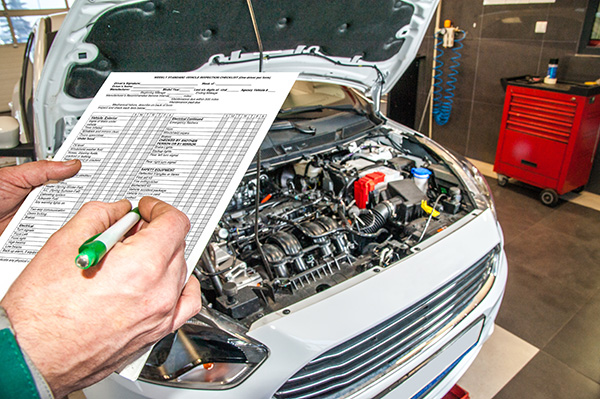
Crossing 100,000 miles does not mean a vehicle suddenly becomes unreliable. Plenty of cars continue serving their owners for years beyond that point. Still, the way a car drives can begin to change as dozens of parts age together. The steering may feel less direct, the ride may become louder, or acceleration might not feel as responsive as it once did. These changes usually develop slowly, which makes them easy to accept as normal. In many cases, the car is revealing accumulated wear that deserves attention rather than reaching the end of its useful life. Suspension Wear Changes The Ride Gradually Shocks and struts lose their ability to control wheel and body movement as the miles add up. The vehicle may bounce more after dips, lean farther through turns, or feel unsettled on rough pavement. Because the decline occurs over thousands of miles, many drivers do not notice how much control they have lost. Control arm bushings, sway bar links, ball joints, and strut mou ... read more
Posted on 6/26/2026

A BMW usually gives you clues before performance starts to fade in a way you can feel every day. The change might be small at first. A slightly rough start, a new vibration, a delayed response from the throttle, or a warning message that appears once and then disappears can all be early signs. The trouble is that many BMW models are good at hiding problems for a while. The car may still feel quick, quiet, and comfortable even when a leak, sensor issue, ignition problem, suspension concern, or cooling system weakness is starting. Paying attention to those early clues can help you schedule service before the car feels noticeably less responsive. BMW Warning Lights And Dashboard Messages A BMW warning light or dashboard message should never be treated as background noise. Some messages are urgent, while others are early alerts that a system needs attention. Either way, the vehicle is giving you information that should be checked before the issue grows. A check engine ... read more
Posted on 5/29/2026
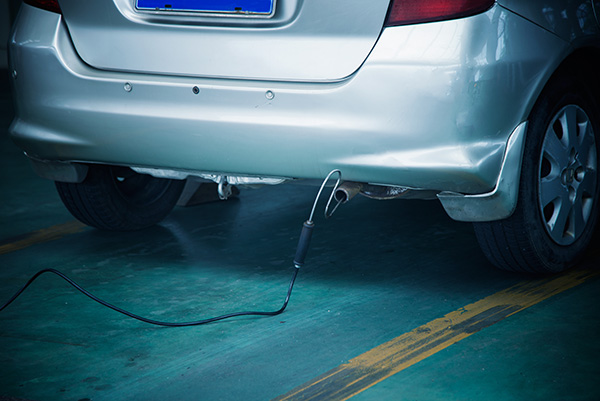
A failed emission test can feel like getting tripped up by paperwork, but the report is usually pointing to a mechanical issue. You expect a pass, then you get handed numbers, codes, or a readiness note that doesn't explain itself very well. The car may still feel normal. That is what makes emissions problems frustrating. Many engine issues show up in the exhaust before they show up as rough running, stalling, or poor power. The test is not only checking the tailpipe output. It is giving you a clue about how cleanly the engine is burning fuel. Why Emissions Failures Point Back To The Engine Your engine has to burn the right mix of air and fuel. If that mix is off, the exhaust changes. Too much fuel, not enough air, a weak spark, low engine temperature, or incorrect sensor readings can all result in emissions levels that prevent the vehicle from passing. A failed test can also indicate that the car’s onboard monitors are not ready or that the check engine ... read more